 Sazón & Sunlight
Moros y Cristianos Recipe: Measure the Liquid First
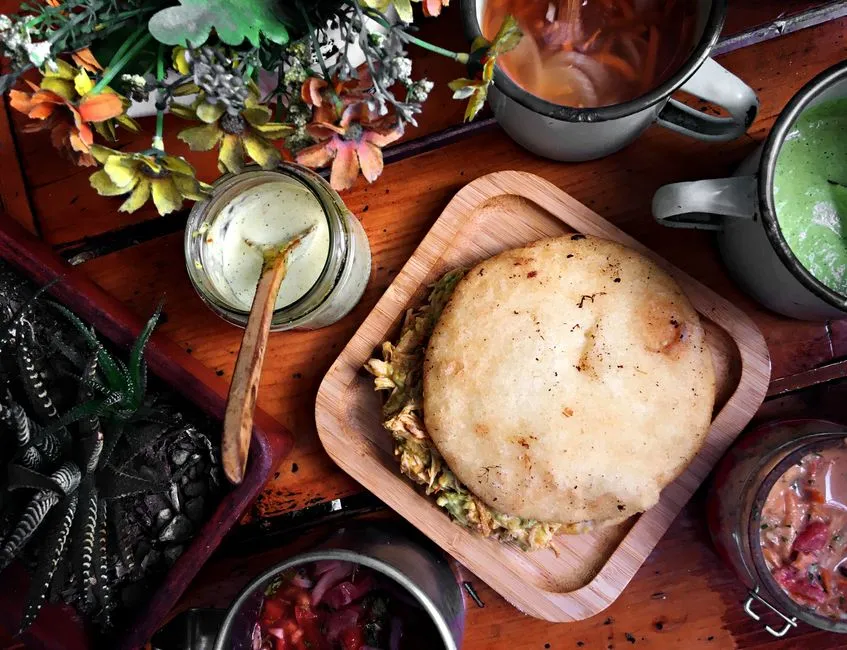
- How do you make moros y cristianos?
- Is this the same as beans over white rice?
- What is the complete canned-bean formula?
- What does “make up to” mean?
- Can you use homemade leftover beans instead?
- How do you reduce the chance of a scorched or uneven batch?
- What preparation and allergy checks matter?
- How should you cool and reheat leftovers?
- Sources
How do you make moros y cristianos?
Moros y cristianos cooks rice and black beans together, rather than spooning beans over separately cooked rice. Follow one complete formula: bean liquid counts toward the cooking liquid, not as an unmeasured extra. The version below uses canned beans for a defined starting point. Cook thoroughly, check ingredient labels and cross-contact for allergies, and cool leftovers promptly. Reheating does not make rice with an unsafe storage history suitable to eat.
This is a desk-researched guide, not a recipe we have kitchen-tested. It pairs a clearly attributed published formula with an original measuring and preparation record.
Is this the same as beans over white rice?
The distinction here is the method. Three Guys From Miami's moros guide distinguishes rice and beans cooked together from prepared beans served over cooked white rice. Its own recipe starts with dried beans and later cooks the rice with chicken stock.
Names also need context. That source distinguishes black-bean moros from red-bean congrí, while Julie Maestre's published congri recipe uses black beans and describes the names as overlapping. We will not settle that naming difference by declaring one household wrong. This page specifies the ingredients and method it means.
Our Latin recipes collection covers other preparations. Here the goal is a single combined rice dish, not another full bean-stew tutorial.
What is the complete canned-bean formula?
This compact paraphrase follows Goya's published moros recipe. Its ingredients and cooking sequence are retained; the safety section below replaces its leftover-storage suggestion.
Ingredients: 3 tsp olive oil; 1 chopped small onion (about 3/4 cup); 1/2 cup chopped green pepper; 4 minced garlic cloves; 1 tsp Goya Adobo with Pepper; 1 tsp sugar; 1/2 tsp oregano; one 15.5oz can black beans, liquid retained; 1 bay leaf; 1 cup Canilla extra-long-grain rice; 1 tsp white vinegar; water.
- Heat 2 tsp oil in a medium pot, medium-high. Soften onion and pepper, about 10 minutes. Add garlic, adobo, sugar and oregano; cook about 1 minute.
- Measure bean liquid; add water to total 2 cups. Boil this with the bay leaf in the pot. Add beans and rice; return to boiling.
- Cover; simmer medium-low until liquid is absorbed, about 25 minutes. Stir in vinegar.
- Remove from heat; rest until rice is tender, about 5 minutes. Divide among bowls; finish with the remaining oil.
Remove the whole bay leaf before serving. Use dry heat-protective gloves for hot handles and keep your face and hands out of escaping steam when lifting the lid. Follow the cookware's instructions. Do not use a bare hand to judge the food's temperature.
What does “make up to” mean?
It means a final combined volume, not that much additional water. Read the measuring instruction before opening or draining the beans.
An original, deliberately separate arithmetic example makes the distinction visible:
| Measuring note | Correct calculation | Incorrect extra addition |
|---|---|---|
| Hypothetical target 600ml; retained liquid 180ml | Add 420ml: 180 + 420 = 600 | Adding 600ml gives 780ml |
| Hypothetical target 600ml; retained liquid 260ml | Add 340ml: 260 + 340 = 600 | Adding 600ml gives 860ml |
These are bookkeeping examples, not metric conversions or a replacement batch. The first mistake adds 180ml beyond its target; the second adds 260ml. Use the published recipe's own units in the kitchen.
Keep the rice measure separate from the liquid measure. Do not infer a universal water ratio from one recipe: its vegetables, bean preparation, rice and cooking method are part of the formula.
Can you use homemade leftover beans instead?
Homemade beans are not one standardized ingredient. Record whether they are plain cooked beans, beans in a thin cooking broth, or a thick seasoned stew. Also record when they were cooked and how they were stored. Discard beans if safe handling is uncertain; making a new dish is not a way to reset an unsafe ingredient.
The canned route above does not establish an equivalent scoop of homemade stew. A measured spoonful can contain different proportions of beans, mashed solids, oil and sauce. We have not tested a substitution amount and will not invent one.
| What you have | What to establish before choosing a formula |
|---|---|
| Unopened canned beans | Exact can size and whether liquid is retained |
| Plain cooked beans and separate broth | A recipe that specifies both the cooked-bean amount and cooking liquid |
| Finished seasoned bean stew | Whether a published method actually calls for that preparation |
| Dry beans | A complete bean-cooking stage before the combined rice method |
Choose a recipe matched to the ingredient on hand, rather than combining one page's seasoning with another page's liquid. This is particularly important when a ready-made sofrito already contains oil and salt.
How do you reduce the chance of a scorched or uneven batch?
Prepare and measure everything before turning on the burner. Select a pot and lid appropriate to the stated method, then keep the complete instruction beside the stove. Do not treat a time estimate as permission to increase the heat to finish sooner.
Record the burner setting, lid use and endpoint. If a batch differs from what you expected, those observations help distinguish a changed ingredient from a changed method. A photograph alone cannot establish that the rice is cooked through.
Do not scrape a scorched bottom into the rest of the food. If there is smoke or a fire, stop cooking and follow emergency guidance; do not add water to burning oil. There is no general rescue quantity of liquid that repairs every overheated pot.
For ordinary recipe questions, return to the named source with the measured ingredients and method you actually used. We have not validated an extra-water-and-extra-time correction for every rice variety or pan.
What preparation and allergy checks matter?
The FDA's produce guidance advises rinsing produce before peeling and using running water, not soap or produce wash. Wash hands before and after preparation and use clean equipment.
Read every package, including seasonings. The FDA's allergy guidance emphasizes label checks and avoidance of known allergens. Consider cross-contact from shared equipment. A recipe name or a meatless ingredient list does not establish suitability for a particular allergy.
If symptoms follow eating, stop eating and seek medical attention; follow prescribed emergency treatment instructions and call emergency services for severe symptoms or suspected anaphylaxis. Do not use a small serving to test an allergy.
How should you cool and reheat leftovers?
For this rice dish, we choose the UK Food Standards Agency's conservative rice-specific household guidance: cool promptly, ideally within one hour, in smaller portions rather than leaving the pot to cool. Refrigerate and use within 24 hours. Reheat only once and ensure it is steaming hot throughout.
The FSA explains that rice can contain bacterial spores surviving cooking; room-temperature storage can allow bacteria or toxins to make it unsafe. That is why reheating is not a repair for poor storage.
Keep the refrigerator at 40°F (4°C) or below, as FoodSafety.gov advises. Its temperature chart specifies 165°F (74°C) for reheated leftovers. Use a food thermometer. These source-published rounded pairs are not exact mathematical conversions.
Label the cooking time and cooling record. If storage history is uncertain, discard the portion. The finished dish belongs beside your other Miami-table plans, with its handling instructions kept as carefully as its ingredient list.
Sources
Primary recipe and government pages checked September 8, 2026, linked alongside their claims. Goya supplies the complete cooking formula; Three Guys From Miami and Julie Maestre illustrate documented preparation and naming differences. FDA, FSA and FoodSafety.gov supply the stated safety guidance. No attendance, cooking test, restaurant relationship or nutritional analysis is claimed.
Frequently asked questions
Is moros y cristianos just beans served over rice?
In the method described here, the rice finishes cooking with the beans and cooking liquid in the same pot. That differs from putting a finished bean stew over separately cooked rice. Naming varies between published Cuban recipes, so compare the actual ingredients and preparation rather than relying on the dish name alone.
Can I swap a scoop of leftover bean stew for canned beans?
This guide does not establish an equivalent scoop. Finished stew may contain mashed beans, thick sauce, oil and seasonings in different proportions. Choose a complete method written for that preparation, and use only safely stored ingredients. A new cooking step does not make leftovers with an uncertain handling history suitable to eat.
Do I add the full liquid target after the bean liquid?
No. When an instruction says to make liquid up to a target, the retained liquid is included in that total. Measure first, then add only the difference. Keep the recipe's units consistent and do not use this guide's fictional millilitre example as a conversion or a replacement formula.
How long can I keep this rice dish?
This guide adopts the FSA's rice-specific approach: cool quickly, ideally within one hour, refrigerate and use within 24 hours. Reheat only once, thoroughly throughout; FoodSafety.gov specifies 165°F (74°C) for leftovers. Discard a portion if safe handling is uncertain. Heating does not correct an unsafe storage history.
Does this recipe suit someone with food allergies?
Do not decide from the dish name or the absence of meat. Check every ingredient label and preparation cross-contact against the person's needs, with appropriate professional advice. If a reaction develops, stop eating, seek medical attention and follow prescribed emergency treatment; call emergency services for severe symptoms or suspected anaphylaxis.