 Sazón & Sunlight
Mojo Pork Shoulder: Citrus, Garlic, and a Slow Roast
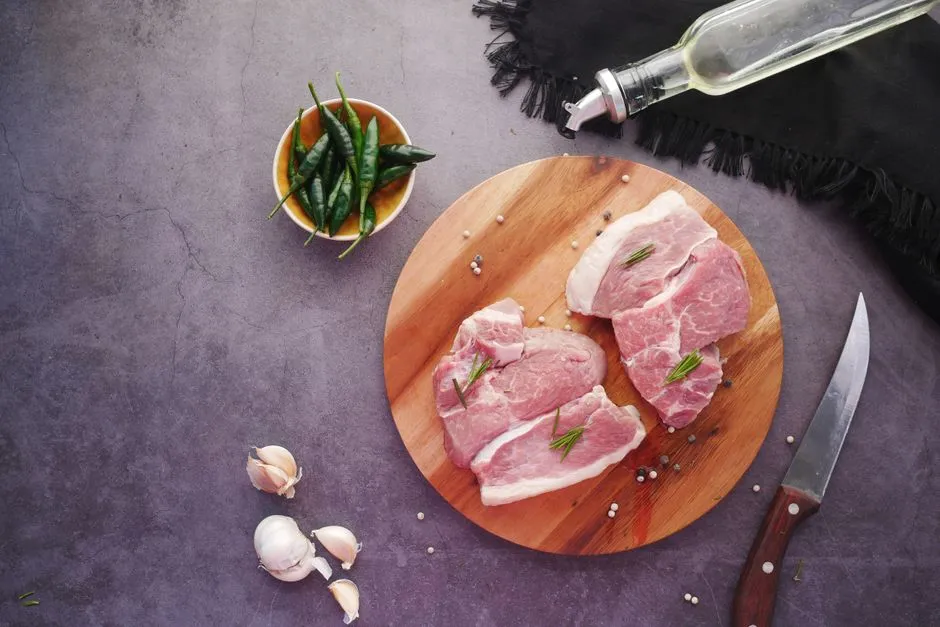
- Marinate cold, roast slowly, and judge tenderness in several spots
- Ingredients for a four-pound shoulder
- Reserve clean mojo before raw pork enters the room
- Prepare an even roast and a shallow braise
- Roast covered until the shoulder begins to yield
- Rest before pulling or slicing
- Troubleshoot the texture instead of blaming the recipe title
- Serve it as a plate, sandwich, or very good leftover
- Cool leftovers quickly and reheat them to 165°F
Marinate cold, roast slowly, and judge tenderness in several spots
This mojo pork shoulder uses sour orange, garlic, oregano, cumin, salt, pepper, and oil to season a four-pound boneless roast. Marinate it under refrigeration for eight to twenty-four hours, roast covered at 325°F until the connective tissue begins to relax, then uncover for colour. The whole process takes roughly four to five hours plus resting, but thickness and tenderness—not a triumphant timer—determine the finish.
Whole-cut pork is safe at 145°F followed by a three-minute rest according to USDA guidance. Shoulder, however, is still firm at that safety minimum. For meat that pulls apart, expect the thickest areas to land roughly around 195–205°F and confirm that a skewer slides into several places with little resistance. Safety temperature and desired texture are related questions, not the same answer.
The recipe makes about eight servings. It is Cuban-inspired home cooking, not a claim that one marinade represents every Cuban family, region, restaurant, or celebration.
Ingredients for a four-pound shoulder
| Ingredient | Amount | Note |
|---|---|---|
| Boneless pork shoulder | 4 lb / 1.8 kg | Tied into an even roast if irregular |
| Sour orange juice | 1 cup / 240 ml | Or use the substitute below |
| Garlic | 12 large cloves / about 48 g | Finely grated or crushed |
| Dried oregano | 2 teaspoons / about 2 g | Preferably rubbed between fingers |
| Ground cumin | 2 teaspoons / about 4 g | Do not confuse with chilli powder |
| Fine salt | 1 tablespoon / about 18 g | Reduce if pork is injected or pre-seasoned |
| Black pepper | 1 teaspoon / about 2 g | Freshly ground |
| Extra-virgin olive oil | 1/4 cup / 60 ml | Divided |
| Yellow onion | 1 medium / about 250 g | Sliced into half-moons |
| Water or unsalted stock | 1 cup / 240 ml | For the roasting pan |
For one cup of sour orange substitute, combine two-thirds cup orange juice with one-third cup lime juice. In metric terms, use 160 millilitres orange and 80 millilitres lime. Add one teaspoon of finely grated orange zest if available. The substitute is brighter and less bitter than true naranja agria, but it gives the marinade a useful sweet-acid balance.
Check the pork label before salting. Some roasts are enhanced with a salt solution. If yours is, reduce the recipe salt by half or select an unenhanced shoulder. Salt added by the processor still counts, even when the label has hidden it in a very polite paragraph.
Reserve clean mojo before raw pork enters the room
Whisk the sour orange juice, garlic, oregano, cumin, salt, black pepper, and three tablespoons of the oil. Taste the mixture now, while it is clean. It should seem assertively salty and acidic because it will season a large roast. Reserve half a cup in a covered clean container and refrigerate it separately for serving.
Put the pork in a food-safe zip-top bag or a covered glass or stainless-steel container. Add the remaining mojo, press out excess air if using a bag, and turn to coat. Set the container on a rimmed tray on the lowest practical refrigerator shelf so a leak cannot decorate the salad drawer.
Marinate for eight to twenty-four hours in the refrigerator, turning once midway if convenient. Do not marinate on the counter. The FDA advises keeping marinating food refrigerated and says liquid that has touched raw meat should not be reused as sauce unless it is brought to a rapid boil. Reserving clean mojo at the start is safer, fresher-tasting, and considerably less dramatic.
Acid changes flavour at the surface; it does not make raw pork safe and it does not dissolve the connective tissue throughout a thick shoulder. Time and heat do the latter work.
Prepare an even roast and a shallow braise
Take the pork from the refrigerator while the oven heats to 325°F. Twenty to thirty minutes on the counter is enough for setup; do not chase “room temperature” for hours. Remove the roast from the marinade and let excess liquid drip back into the container. Discard that used marinade.
Pat only the wettest areas with a paper towel so the surface can brown later. If the shoulder is spread into several thin flaps, roll it into a compact roast and tie with kitchen twine every two inches. Uniform thickness improves the odds that one end will not become confetti while the centre remains stubborn.
Spread the sliced onion in a Dutch oven or deep roasting pan just larger than the pork. Add one cup of water or unsalted stock and the remaining tablespoon of oil. Set the pork on top, fat side up when there is a clear fat cap. Cover tightly with the pot lid or a double layer of foil.
The liquid should come only partway up the meat. This is a moist roast, not pork soup. A very wide pan may need another half-cup of water during cooking; check whenever you open the oven.
Roast covered until the shoulder begins to yield
Roast covered for three hours without repeatedly opening the lid. At three hours, insert a thermometer into the thickest part without touching the pan. Test a second location because shoulder contains muscles and seams that do not heat identically.
If the meat is below 185°F or still feels tight when pierced, cover and continue for thirty minutes. Check again. Add hot water around—not over—the pork if the pan is nearly dry.
Once the roast is approaching the high 180s or 190s and a skewer enters with noticeably less resistance, remove the lid or foil. Spoon a little pan liquid over the surface. Roast uncovered for another thirty to sixty minutes, turning the pan once if your oven browns unevenly.
The final cues are:
- The deepest areas have passed the USDA safety minimum of 145°F by a wide margin.
- The usual pulled-pork texture range, roughly 195–205°F, appears in the thick sections.
- A skewer or thin knife slides into several spots with little resistance.
- The surface is deeply browned but not burnt.
- The shoulder twists or separates at its natural seams without a wrestling match.
Temperature is a map, not a tiny dictator. One probe reading can land in a fat seam or near the surface. Check several spots and let texture settle the decision.
Rest before pulling or slicing
Move the pork to a clean board or shallow dish and tent loosely with foil. Rest twenty to thirty minutes. A loose tent preserves heat without trapping enough steam to erase the crust.
Meanwhile, strain the pan liquid if you want a smooth jus, or leave the soft onions in for texture. Skim excess surface fat with a spoon. Bring the pan liquid to a full simmer on the stove and reduce until it tastes concentrated but not salty.
Pull the pork into large pieces with forks or gloved hands, discarding large lumps of fat and any twine. For slices, chill the roast slightly longer so the structure firms. Toss the meat with enough pan liquid to stay juicy.
Warm the reserved clean mojo in a small saucepan until steaming or serve it cool from the refrigerator. Because it never touched raw meat, it is distinct from the discarded marinade. Add it a spoonful at a time; a slow-roasted shoulder deserves citrus, not a swimming lesson.
Troubleshoot the texture instead of blaming the recipe title
Tough pork needs more covered time
If the shoulder has exceeded 145°F but resists a skewer, it is safe yet not tender. Return it to the pan, add liquid if needed, cover, and cook another thirty minutes before checking again. Connective tissue softens across time and temperature. Large, compact roasts may take longer than flat ones of the same weight.
Dry pork may have overcooked uncovered
Mix dry shreds with defatted pan liquid and a little reserved mojo. Next time, keep the pan tightly covered until late in the cook, maintain shallow liquid, and test earlier if the roast is smaller or flatter. Do not rely on oven dials alone; many ovens run hot or cycle widely.
Pale pork needed a drier surface or stronger finishing heat
Moisture blocks browning. Drain well before roasting and uncover for the last stage. If the meat is already tender but still pale, move it briefly to a clean sheet pan and use a 450°F oven for five to ten minutes. Watch constantly. A broiler also works, but garlic moves from golden to archaeological evidence very quickly.
Overly sharp mojo needs balance, not a sugar avalanche
Orange and lime vary. Stir additional orange juice into the reserved clean mojo one tablespoon at a time, or soften it with a little warm pan liquid and olive oil. If it lacks brightness, add lime by teaspoons. Make these adjustments only to clean reserved sauce or thoroughly boiled liquid, never to raw-meat marinade while tasting.
Serve it as a plate, sandwich, or very good leftover
Pair the pork with white rice and Cuban-style black beans for a rich, savoury plate. Add cabbage salad, pickled onion, or avocado for contrast. Keep the bean broth loose enough to moisten the rice.
For a cross-Latin kitchen supper, tuck pork into arepas made with precooked cornmeal with slaw and a restrained spoon of mojo. This is a useful combination, not an argument that one national tradition secretly belongs inside another.
In sandwiches, balance pork with pickles, mustard, cheese, or crisp vegetables. The Miami ventanita guide explains common Cuban coffee and bakery terms, including the broad shape of Cuban and medianoche sandwiches. Individual businesses decide their actual recipes.
Cool leftovers quickly and reheat them to 165°F
USDA leftovers guidance says cooked food should be refrigerated within two hours, or within one hour when the surrounding temperature exceeds 90°F. Divide pork into shallow containers with a little cooking liquid rather than refrigerating one huge hot mound. Do not leave the roast on a buffet or in a parked Miami car while everyone discusses dessert.
Use refrigerated leftovers within three to four days or freeze portions. Thaw frozen pork in the refrigerator, cold water, or microwave; food thawed in cold water or the microwave should be reheated promptly. Reheat leftovers to 165°F, adding pan liquid to protect moisture.
Discard pork that exceeded the safe holding window. Acid, salt, and garlic make excellent mojo, but none of them grants immunity from time and temperature.
The reliable sequence is straightforward: reserve clean sauce, marinate cold, roast covered, brown uncovered, test several spots, then rest. Do that and the shoulder becomes tender by evidence rather than optimism—which is how dinner avoids turning into a five-hour trust exercise.
Frequently asked questions
What can replace sour orange in mojo?
For one cup of sour orange juice, use two-thirds cup orange juice and one-third cup lime juice, plus a little finely grated orange zest if available. It will be brighter and less bitter than true naranja agria, but it gives useful sweet-acid balance. Taste only the clean mixture before raw pork enters it, then adjust lime or orange to suit the fruit.
How long should pork shoulder marinate?
Eight to twenty-four hours in the refrigerator gives this thick cut time to take on surface seasoning without making dinner a three-day administrative process. Turn the sealed bag or covered nonreactive container once if convenient. Never marinate pork on the counter. Acid flavours the surface but does not make raw meat safe or reliably tenderise the entire shoulder.
Can I use the mojo marinade as a sauce?
Reserve a portion in a separate clean container before adding raw pork; that is the easiest and safest sauce. FDA guidance says marinade that contacted raw meat should not be reused unless brought to a rapid boil first. Even then, its texture may be muddy. A clean reserved portion tastes fresher and avoids moving raw-pork utensils through the finished meal.
What temperature makes pork shoulder tender?
Safety and tenderness are separate targets. USDA says whole-cut pork must reach at least 145°F followed by a three-minute rest. Pork shoulder generally becomes easy to pull only much higher, often around 195–205°F, when connective tissue has softened. Use the higher range as a texture guide, not a safety minimum, and confirm that a skewer slides into several spots with little resistance.
Why is my pork shoulder still tough?
It usually needs more time. If the meat has passed the safety minimum but a skewer still meets firm resistance, cover the pan, return it to the oven, and check again in thirty minutes. Shoulder can pause while connective tissue changes. Temperature is a clue, but tenderness in several places is the finish line. Keep some liquid in the pan to limit drying.
How long does leftover roast pork keep?
USDA guidance allows three to four days in the refrigerator for cooked leftovers. Refrigerate pork within two hours, or within one hour when the surrounding temperature is above 90°F. Divide it into shallow containers with a little cooking liquid, freeze portions not needed soon, and reheat leftovers to 165°F. Discard meat left out too long; citrus and garlic are flavour, not bodyguards.